Column Sample : Thinking About Calcium
Calcium is the most abundant mineral in the body, accounting for approximately 1% to 2% of an adult’s body weight. While 99% of it is found in the bones and teeth, the remaining 1% exists in the blood, nerves, and muscles, playing a vital role in sustaining life. Due to its low absorption rate, it is important to consume it efficiently by pairing it with vitamin D./H2
Basic Knowledge About Calcium/H3
Presence in the body: 99% is found in bones and teeth, while 1% is in the blood, nerves, and muscles; it plays roles such as stopping bleeding and regulating heart function.
Low absorption rate: The absorption rate from food is low—around 20–30%—though it is slightly higher for milk, at approximately 40%.
Consequences of deficiency: A lack of calcium causes it to leach from the bones, leading to irritability and osteoporosis.
Tips for taking it effectively/H3
- Pair with Vitamin D: Vitamin D—obtained from mushrooms, fish, or sun exposure—aids absorption.
- Foods rich in this nutrient: Milk and dairy products, small fish, soy products, and green leafy vegetables (such as komatsuna).
- Caution regarding excessive intake: Consuming large amounts at once (e.g., via supplements) prevents full absorption and may lead to health issues such as the formation of stones.
Why do Japanese people lack calcium?/H2
The primary reasons for the chronic calcium deficiency among the Japanese people are a natural environment where the soil and water are low in minerals, and dietary habits that involve lower dairy consumption compared to Western countries.
Main causes/H4
Natural environment (soil and water)/H5
Japan has extensive areas of volcanic ash soil, which is characterized by lower levels of minerals—such as calcium and magnesium—compared to soil in Western countries. Furthermore, as “soft water” (which is low in minerals) is the norm, the vegetables and grains grown there also contain lower amounts of calcium.
Changes in Dietary Habits / H5
Although diets have shifted from traditional Japanese cuisine toward Western-style eating, the daily intake of dairy products—such as milk and cheese—remains low compared to Western countries, meaning recommended levels are not being met.
Low Calcium Absorption Rate / H5
Another reason for the common calcium deficiency is its low absorption rate; compared to other nutrients, only about 20–30% of ingested calcium is actually absorbed by the body.
Frequent Consumption of Processed Foods / H5
Excessive intake of phosphorus—found in items such as instant foods and snack foods—can accelerate the excretion of calcium from the body.
Why are dairy products a good source of calcium?
This is because dairy products are rich in calcium and offer a higher absorption rate compared to other foods. While milk is a great source, yogurt and cheese are even more efficient; the fermentation process breaks down milk proteins and allows calcium to bind with lactic acid, thereby facilitating digestion and absorption. For reference, 100g of milk contains 100mg of calcium, whereas yogurt contains 110–130mg, and processed cheese boasts an impressive 630mg. We also cannot overlook the role of phosphorus, which—along with calcium—is essential for building strong bones and teeth; having either too much or too little phosphorus prevents the formation of healthy, sturdy bones. The ratio of calcium to phosphorus in milk and similar products falls within the ideal 1:1 to 1:2 range. This explains why dairy products are the recommended choice for getting your calcium.
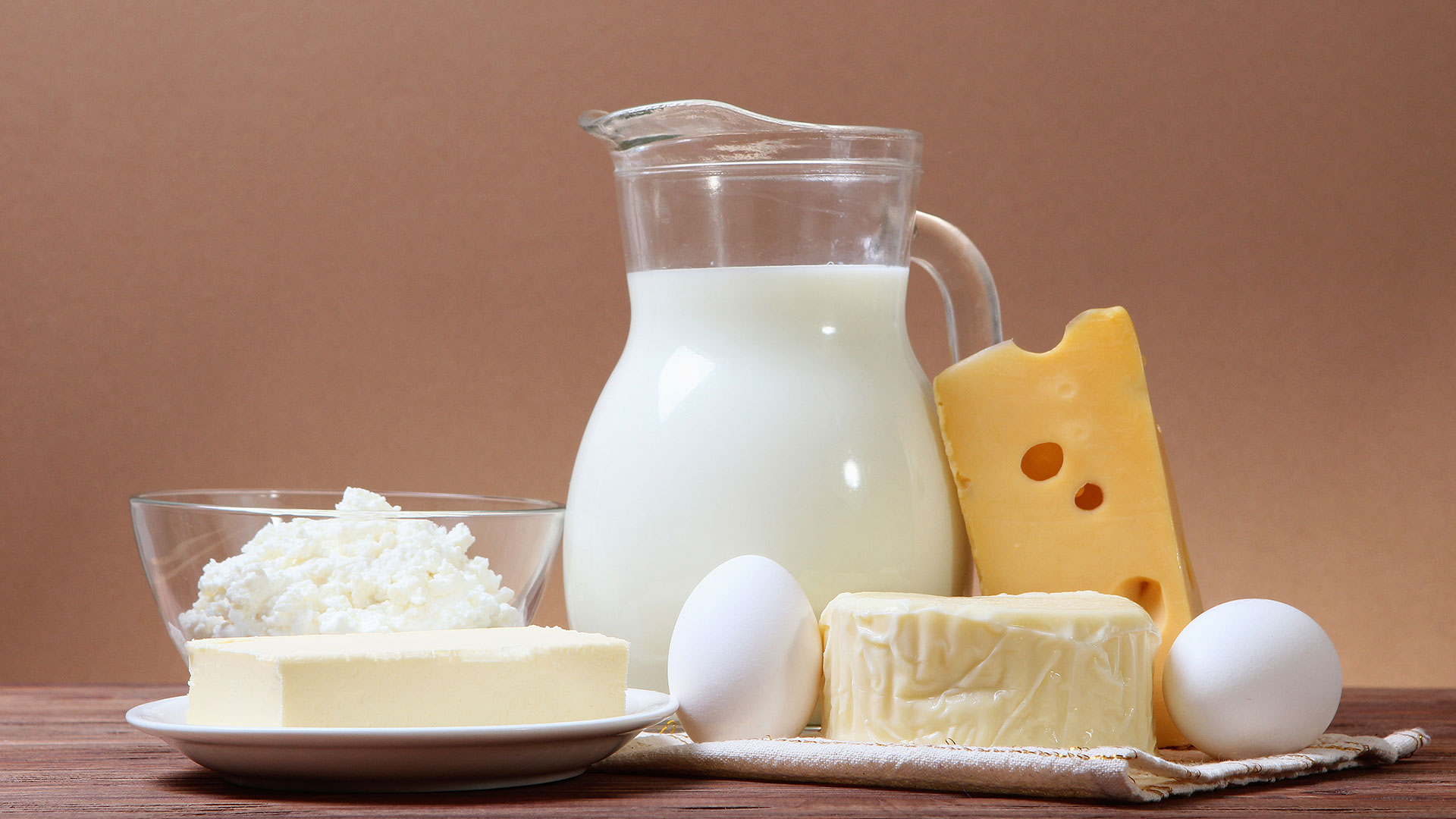
A major advantage of dairy products is that they require no preparation time and can be consumed easily, while also serving as versatile ingredients for dishes and sweets.